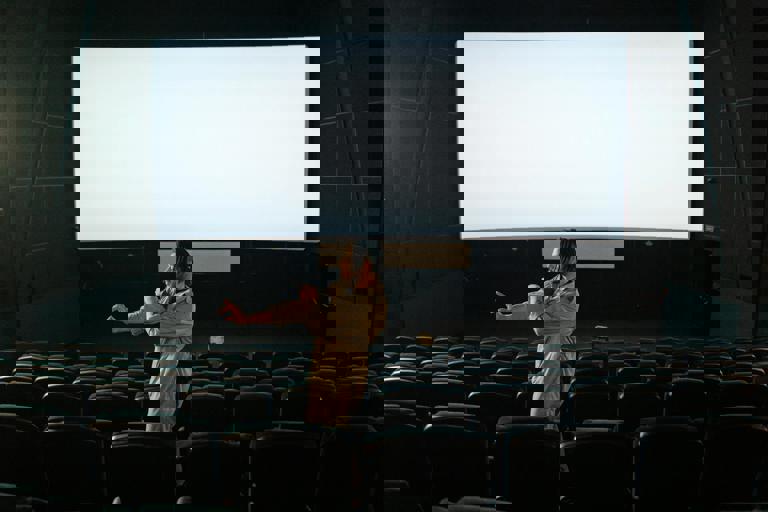
The National Theatre has unveiled an ambitious new project designed to revolutionise how people experience live drama. Titled 'Engage: Interactive Digital Plays,' the initiative enables remote audiences to influence narratives and character decisions in real time from the comfort of their own homes. This digital leap represents a significant blend of theatre tradition and modern technology, illustrating the continued evolution of cultural engagement in the United Kingdom.
For the first wave of interactive productions, the National Theatre has collaborated with prominent playwrights and directors to develop scripts specifically tailored for audience participation. Through a dedicated online platform, attendees can vote on key plot twists, choose outcomes for main characters, and even submit creative suggestions for performers to enact. This two-way dialogue is set to recast spectators as co-creators in the storytelling process.
Rufus Norris, artistic director of the National Theatre, described the venture as 'a bold step into the future where the boundary between stage and spectator is gracefully blurred.' He explained, 'Our mission has always been to unite audiences with artists. With this, we’re unlocking a new dimension of shared creativity, making theatre more accessible and collaborative than ever before.' Norris emphasized the importance of inclusivity and innovation in broadening theatre’s reach.
The technological infrastructure underpinning the project is vast, involving a bespoke digital interface that synchronises effortlessly with live performances. Audiences access the platform via computer, tablet, or smartphone, ensuring broad compatibility and user-friendliness. Real-time data from audience choices is immediately relayed to the performers and production team, allowing for seamless adaptation within the live broadcast.
Producers highlight that the interactive plays are not pre-recorded or on rails; performers are trained in improvisation to dynamically adjust to audience-driven changes. Each performance can veer dramatically from the previous night’s, meaning no two shows are ever quite the same. This element of unpredictability brings fresh excitement to every viewing, heightening a sense of community among remote participants.
Early feedback from test audiences has been overwhelmingly positive, with many praising the technology’s intuitiveness and the thrill of seeing their choices impact the narrative directly. "It feels like you’re genuinely part of the story," commented one trial participant. Another remarked, "The adrenaline when your suggestion gets chosen is incomparable to just passively watching a play at home."
Some industry observers believe this project will serve as a model for other cultural institutions worldwide. Dr. Naomi Reed, professor of digital arts at King’s College, commented, “The National Theatre is setting a new standard for digital audience engagement. This is more than a stopgap for those unable to visit in person—it's an entirely new theatrical form.” Analysts note that audience agency is emerging as a key factor in sustaining interest in the arts.
In addition, the interactive digital plays hold particular promise for reaching demographics often excluded from live theatre, including rural residents, people with disabilities, and parents with young children. The National Theatre has reported a notable increase in registrations from regions traditionally underrepresented in theatre audiences. This greater geographic and social inclusivity aligns closely with the organisation’s broader mission to democratise cultural experiences.
To ensure equitable access, the National Theatre is offering discounted or free tickets for select digital performances to students, seniors, and low-income households. Partnerships with schools and community organisations are in place as well, using the new platform as a tool for arts education and engagement. These initiatives are intended to foster a new generation of theatre enthusiasts while breaking down historical barriers to participation.
While much of the focus is on technological innovation, the heart of the project remains centred on live artistry and connection. Actors and creative teams receive extensive training in adapting to live audience input, with expert facilitators guiding the integration of digital suggestions. The interplay between structure and spontaneity challenges performers in exhilarating new ways, reinvigorating traditional performance skills.
Looking ahead, the National Theatre is planning to expand the initiative with a diverse slate of genres and writers, ranging from classic adaptations with interactive twists to new works exploring contemporary social issues. Upcoming collaborations include partnerships with leading digital artists and immersive storytelling collectives, promising ever more inventive and participatory experiences for viewers.
As this virtual project unfolds, it has drawn keen interest from both arts insiders and the general public. The National Theatre’s interactive plays are poised to redefine the conventions of theatre in the digital age, suggesting a future in which shared creativity and technological innovation go hand in hand. With enthusiastic support and growing demand, this new frontier in live performance could set a precedent for audience-powered art on a global scale.